13 June 2012

Ich lobe dich von ganzer Seelen

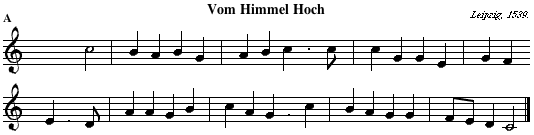
Here is my translation of “Ich lobe dich von ganzer Seelen” (Fr. K. Hiller, 1711), a hymn on the subject of the Church as the one holy, catholic communion of saints called, enlightened, and sanctified by the Holy Spirit. It especially regards the subject in a way appropriate to the Second Sunday after Holy Trinity, e.g., in stanza 2, where the Gospel pericope is expressly referenced. The German is found in ELK 214, where it is appointed the melody “Jauchzt, alle Lande, Gott zu Ehren” (G. Franc, 1543), i.e., “Navarre” (TLH 100) or “Rendez à Dieu” (LSB 600)


WITH ALL my soul, O Lord, I praise Thee,
Who here upon this earth hast deigned
A glorious Church to build and raise Thee,
And to Thy glory her sustained:
From many souls one congregation,
One blest communion of the saints
In Jesus’ blood a new creation
Cleansed from all blemish and offense.

2. Yet still Thy cry goes out, desiring
That all should come and feast with Thee;
Still sounds the call of Thine inspiring,
That here Thy dwelling filled might be.
In every street Thou servants sendest,
Inviting whosoe’er they find,
To every soul their heart commendest,
E’en to the poor, the lame, the blind.

3. One Church, O God, Thou hast created
From every tongue and every race,
Whereby Thy name is celebrated
In fairest splendor for Thy grace;
Together under Christ united,
Their princely Head, in every part
With Him made one, their faith is lighted,
The hope of every Christian heart.

4. Our hope may not on works be grounded;
No man could thus God’s grace obtain:
Though by unnumbered works surrounded,
Unfaithful servants we remain.
By faith we shall receive the merit
Which Christ by dying has prepared,
In faith procure for flesh and spirit
That life with saints in heaven shared.

5. Resolve in this true faith, Lord, give us
Until our life on earth be spent,
Of Thy dear gifts let none bereave us—
Thy Holy Word and Sacrament!
Oh, fill our hearts with grace and blessing,
Thy Church let peace and gladness see,
By fire of holy love possessing
unfeigned, unblemished unity.

Translation © 2012 Matthew Carver.

GERMAN
1. Ich lobe dich von ganzer Seelen,
daß du auf diesem Erdenkreis
dir wollen eine Kirch erwählen
zu deines Namens Lob und Preis,
darinnen sich viel Menschen finden
in einer heiligen Gemein,
die da von allen ihren Sünden
durch Christi Blut gewaschen sein.

2. Du rufest auch noch heutzutage,
daß jedermann erscheinen soll;
man höret immer deine Klage,
daß nicht dein Haus will werden voll.
Deswegen schickst du auf die Straßen,
zu laden alle, die man findt;
du willst auch die berufen lassen,
die blind und lahm und elend sind.

3. Du, Gott, hast dir aus vielen Zungen
der Völker eine Kirch gemacht,
darin dein Lob dir wird gesungen
in einer wunderschönen Pracht,
die sämtlich unter Christus stehen
als ihrem königlichen Haupt
und in Gemeinschaft dies begehen,
was jeder Christ von Herzen glaubt.

4. Wir wolln uns nicht auf Werke gründen,
weil doch kein Mensch vor Gott gerecht;
und will sich etwas Gutes finden,
so sind wir dennoch böse Knecht.
Mit Glauben müssen wir empfangen,
was Christi Leiden uns bereitt;
im Glauben müssen wir erlangen
der Seelen Heil und Seligkeit.

5. Erhalt uns, Herr, im rechten Glauben
noch fernerhin bis an das End;
ach lass uns nicht die Schätze rauben:
dein heilig Wort und Sakrament.
Erfüll die Herzen deiner Christen
mit Gnade, Segen, Fried und Freud,
durch Liebesfeur sie auszurüsten
zur ungefärbten Einigkeit.

12 June 2012

Wie wohl hast du gelabet* (Original Melodies)

Here are two original melodies for the the postcommunion hymn "Wie wohl hast du gelabet" (J. Rist, 1651), tr. by C. Winkworth as "O Living Bread from Heaven" [TLH 316; LW 244; LSB 642]. It was first published set to a tune by Andreas Hammerschmidt, appearing in Rist's hymnal (Lüneburg, 1651) thus (from Kümmerle):


This was included among others by some editions of Praxis pietatis melica, though it was eventually replaced by "Nun lob mein Seel…" A second melody, by Samuel Welter, appeared around 1692:


28 May 2012

Erhalt uns, Herr, bei deinem Wort (welchs wir…)

Here is my translation of the hymn “Erhalt uns, Herr, bei deinem Wort (welchs wir bisher…)” (C. Spangenberg, 1577), which is the original Luther hymn of the same first line interpolated, exposited, and expanded to 24 stanzas. The hymn was printed with the title “A fine spiritual hymn, Erhalt uns… etc., with more explanation who the Pope and Turk are, viz., that they may not only be found in Rome and Constantinople, but that the abomination of desolation may be already recognized as standing in the holy place (Dan. 9; Matt. 24).” The first stanza has been stretched out to encompass nineteen, largely a defense of Original Sin against the heretics. Then the two deprecatory stanzas by J. Jonas are inserted, followed by the other two original stanzas to Christ and the Holy Spirit, and the Da pacem, Verleih uns Frieden, which in most places had become attached to Erhalt uns, Herr. Spangenberg wrote the interpolating stanzas during his exile. The tune is the proper, “Erhalt uns, Herr, bei deinem Wort.” Here it is in F. Layriz’ Kern… :


LORD, KEEP US steadfast in Thy Word
Which we until this day have heard
According to Thy Bible dear,
And Luther’s writings pure and clear.

2. Restrain the murd’rous Pope and Turk,
Who now and in all places work
With zealous craft and cunning rage,
To drive pure doctrine from the stage.

3. The Pope are all that learnèd fray
Who ever in our time purvey
False doctrines of their fallen sense,
And steal Christ’s praise and eminence.

4. The needfulness of works they teach,
Eternal blessedness to reach;
The freedom of the will they laud
With pow’r to turn itself to God.

5. Of fallen nature thus they would
Fain make a creature wise and good
As ’were not fallen, nor had been
By God abhorred as utter sin,

6. They say this nature good is still
And in its substance doth no ill,
But any evil that is done
Comes from its accident alone.

7. Now as the Pope, before His God,
Doth boast a nature all unflawed
And free from any stain of sin,
So do these worldly-learned men.

8. O Lord, the Antichrist behold,
Who with his mind and cunning bold
As fools a countless host hath caught,
And brings Thy needy Church to naught.

9. The Turk are all those lords of pow’r
Who fain by force would make us cow’r,
That we might not the truth proclaim,
Or else would drive us hence in shame.

10. For all those worldly rulers who
Wage war against Thy doctrine true
And fight the faithful teacher’s work,—
They are no better than the Turk.

11. Those mighty lords who thus afflict
Thy servants, and from home evict,
And would reform the Holy Ghost,
To render service to their host,—

12. These lords will not allow it said
The human nature’s poisoned, dead,
Though Scripture says man’s being whole,
Words, will, and deeds with sin are full.

13. Just as the erring Turk would claim,
God made him free from sin and shame,
They in creation take more pride
Than in the Lord, the Crucified.

14. A pow’r of nature thus they own,
And rob the pow’r of faith alone,
Nor will ascribe to utter grace
The pow’r to stand before Thy face.

15. They say, If nature bore such stain,
It never could salvation gain,
And thus they teach that nature pure
Must be, salvation to ensure.

16. They fain would tear from off His throne
Christ Jesus, Thy belovèd Son,
And put their nature in His stead,
As if a creature purely bred.

17. For they a mighty barrier place
Between performed unrighteousness
And human nature since the Fall:
No sin, they say, it bears at all.

18. And any who denounce their dream,
They will not hear him, nor esteem,
But rather charge with heresy
And exile from the ministry.

19. Oh, be not silent, Lord, but see,
And render judgment speedily
On those who still Thy truth oppose;
Spare not, O Lord, Thy hardened foes:

20.  Destroy their counsels, Lord our God,
And smite them with an iron rod,
And let them fall into the snare
Which for Thy Christians they prepare.

21.  So that at last they may perceive
That, Lord our God, Thou still dost live,
And dost deliver mightily
All those who put their trust in Thee.

22.  Lord Jesus Christ, Thy pow’r make known,
For Thou art Lord of Lords alone;
Shield Thy poor Christendom, that we
May evermore sing praise to Thee.

23.  Thou Comforter of priceless worth,
Give one mind to Thy flock on earth,
Stand by us in our final strife,
And lead us out of death to life.

24. Grant us Thy peace in mercy, Lord
Peace in our time assure us,
None other could our help afford,
None other could fight for us,
But Thou, O our God, Thou only.

Translation sts. 1–19, 24.  © 2011, 2012 Matthew Carver.

GERMAN
1. Erhalt uns Herr, bei deinem Wort,
welchs wir bisher haben gehort
fein nach der lieben Bibel dein
und aus Lutheri Schriften rein.

2. Und steur des Bapst und Türken Mord,
die sich itzund an allem Ort
bemühen hart und wüten sehr,
zu tilgen ganz die reine Lehr.

3. Der Bapst alle Gelehrten sind
die jetzund treiben so geschwind
nach ihr Vernunft solch falsche Lehr,
die Christo nicht gib alle Ehr:

4. Als von der Werke Nötigkeit
zu der ewigen Seligkeit
und von des freien Willen Kraft,
so auch was in Bekehrung schafft;

5. Und die unser verderbt Natur
machen zur guten Kreatur,
sie nach dem Fall nicht lassen sein
für Gott nur eitel Sünd allein,

6. Sprechn, an ihr selbst sei es noch gut
 und von ihr selbst nicht böses tut,
was aber bös von ihr gescheh
solchs aus dem Accidens hergeh

7. Gleichwie der Bapst in der Natur
will etwas haben gut und pur,
das an ihm selbst sei keine Sünd,
also auch diese Leute tünd.

8. Sich, Herr, das ist der Antichrist,
der mit Vernunft und falscher List
viel unachtsamer Leut betört
und deine arme Kirch zerstört.

9. Der Türk das sind die grossen Herrn,
die mit Gewalt uns wollen wehrn,
daß wir die Wahrheit nicht solln sagn,
oder wolln uns zum Land ausjagn.

10. Denn alle weltlich Obrigkeit
so widerstrebt deiner Wahrheit
und werden rechten Lehrern feind
nicht besser denn die Türken seind.

11. Die grossen Herrn, die also plagn
dein treue Knecht und sie verjagn,
dein Heilgen Geist auch reformiern,
den grossen Haufen zu hofiern,

12. Wolln nicht, daß man soll nennen Gift
menschlich Natur, da doch die Schrift
unter die Sünd beschlossen hat
menschlichs Wesen, Wort, Willn und Tat.

13. Gleichwie der Türk sich rühmen tut,
Gott habe ihn geschaffen gut,
also die Schöpfung jetzt mehr gilt
denn Christi Blutvergießen mild.

14. Weil denn Natur soll auch was sein,
so tuts je nicht der Glaub allein,
auch muß nicht lauter Gnade sein,
daß wir für dir sind gut und rein.

15. Sie sprechen, wenn Natur wär Sünd,
gar nicht sie selig werden könnt,
also lehrn sie ein Nötigkeit
guter Natur zur Seligkeit.

16. Und Jesum Christum deinen Sohn
stürzen sie stracks von seinem THron,
an sein statt setzen ihr Natur
als eine gute Kreatur.

17. Denn sie machen ein Unterschied
zwischen der Ungerechtigkeit
und ihr Natur auch nach dem Fall,
die an ihr selbst nicht Sünd sein soll.

18. Und wer solchem Schwarm widerspricht,
den will man hörn und sehen nicht,
muß ein Ketzer sein und verdammt,
wird auch entsetzet von dem Amt.

19. Hierzu wollstu, Herr, schweigen nicht,
sondern üben Rach und Gericht
wider die Feind der Wahrheit dein;
laß sie, Herr, nicht unschuldig sein.

20. Ihr Anschläg, Herr, zu nichte mach,
laß sie treffen die böse Sach,
und stürz sie in die Grub hinein,
die sie machen den Christen dein.

21. So werden sie erkennen doch,
daß du, unser Gott, lebest noch
und hilfst gewaltig deiner Schar,
die sich auf dich verlassen gar.

22. Beweis dein Macht, Herr Jesu Christ,
der du Herr aller Herren bist,
beschirm dein arme Christenheit,
daß sie dich lob in Ewigkeit.

23. Gott, Heilger Geist, du Tröster werth,
gib deim Volk einrlei Sinn auf Erd,
steh bei uns in der letzten Not,
gleit unsins Leben aus dem Tod.

24. Verleih uns Frieden gnädiglich,
Herr Gott, zu unsern Zeiten,
es ist doch ja kein ander nicht,
der für uns könnte streiten,
denn du, unser Gott, alleine.

24 May 2012

Komm, Herr Gott, Heiliger Geist

Here is my translation of the "Pentecost Prosa," "Komm, Herr Gott, Heiliger Geist" (V. Triller, mid 16th c.). By prosa Triller no doubt meant a hymn that could be used instead of the Tropus or Sequence. No melody has been discovered by me yet. It requires 777.777 (line accent: ´- ´- ´- ´) with an AABCCB rhyme structure. This puts it in a similar class, though with fewer lines, with "Weltlich Ehr und zeitlich gut." It has become clear that Triller based the meter on Veni sancte Spiritus, so I here refer that tune, until evidence of another come to the fore, and here provide a simplified form of the melody, perhaps as it might have been sung in the 16th c. by the people.


COME, Lord God and Holy Ghost,
Thee we need of all the most,
Heav’nly knowledge to obtain:
Come, teach us aright to know,
To the Father how to go,
Lest our life have been in vain.

2. Highest Pledge that we can name!
Keep us from all sin and shame,
That in us the devil’s pow’r,
Vicious anger, craft, and spite
By God’s Word be shattered quite!
Make us Thine from hour to hour,

3. Trusting Christ, true Man and God,
Who for us endured the rod
In His love and faithfulness.
To Him let us ceaselessly,
Good and faithful servants be,
Daily new in Thy good grace.

4. Heav’nly Couns’lor, strength impart
To our fainting mind and heart
In our every time of need,
Oh, grant strength in great concern
When the foe doth rage and burn,
And our life to death doth speed.

5. For without Thee in that hour
No one else on earth has pow’r
To assist in our dismay;
Purge our conscience, guilt efface
By the washing of Thy grace,
Ever keep us in Thy way.

Translation: © 2012 Matthew Carver.

GERMAN
Komm, Herr Gott, Heiliger Geist,
wir bedürfen dein am meist,
zu lernen die höchste Kunst:
Komm und lehr uns recht verstehn,
wie man soll zum Vater gehn,
daß wir hie nicht sein um sonst.

2. O du allerhöchstes Pfand,
behüt uns vor Sünd und Schand,
daß in uns des Teufels Reich
und sein großer Zorn und Grimm
werd zerstört durch Gottes Stimm,
daß wir aller gläuben gleich.

3. An Christum, den Mensch und Gott,
der für uns viel angst und Not
leid aus lauter Lieb und Treu,
und daß wir ihm dienen recht
als die frommen treuen Knecht
und durch dich ganz werden neu.

4. Du Göttlicher Tröster gut,
stärk uns unser Herz und Mut
in aller Trübseligkeit,
zuvor in dem Kummer groß,
wenn der Feind uns pflegt ohn Maß
in des Todes Fährligkeit.

5. Weil ohn dich in solchem Fall
ist niemand ganz überall
der bei uns solchs wirken kann.
Mach uns die Gewissen drein
durch das Bad der Gnaden dein
und halt uns auf solcher Bahn.

13 May 2012

Ihr Christen, nun schwinget empor

Here is my translation of an old Ascension hymn (or song, lit., "Himmelfahrt-Liedlin") for by Lutheran pastor Bonifacius Stölzlin (1603–1677). Not much distinguishes it from other Ascension lyrics other than the interesting rhythm and pattern. The text comes from Fischer, et al., Das deutsche evang. Kirchenlied des 17. Jahrh.s, vol. 3 (p. 270). I have yet to find a suitable tune for it. If you know of one, please post a link or description of the source.

O CHRISTIANS! your voice lift on high
To heav’n, where the choirs gladly cry,
Your strains with the angels be blending,
For Christ is gone up with great cheer,
And a shout, into heaven ascending
So sing and rejoice, far and near,
O Christians, your voice lift on high
To heav’n where the choirs gladly cry.

2. This day is Christ lifted on high,
Where angels in choir make reply,
For He hath His foes all defeated,
And led them all captive away,
In triumph the Victor is greeted,
And gives us His gifts on this day
So, Christians, your voice lift on high,
To heav’n where the choirs gladly cry.

3. Your hearts and your minds lift on high,
Where Christ, far beyond clouded sky,
Builds mansions that ye shall inherit,
And at the right hand, He, the Lord,
Now leads us and guides by His Spirit,
Defending us all by His Word:
Therefore, where the choirs gladly cry,
He will lift you also on high.

Translation © Matthew Carver, 2012.

GERMAN
1. Ihr Christen, nun schwinget empor
Die Stimmen mit frölichem Chor,
frolocket mit Englischen Scharen,
Weil Christus mit frölichem Schall,
mit Jauchzen gen Himmel gefahren.
Drum singet und freuet euch all
und schwinget die Stimmen empor,
Ihr Christen, mit frölichem Chor.

2. Heut Christus sich schwinget empor,
entgegen dem Englischen Schor,
dieweil er die Feinde geschlagen,
gefangen sie alle geführt
und offentlich schaue getragen
uns aber mit Gaben geziert.
Drum schwinget die Stimmen empor,
Ihr Christen, mit frölichem Chor.

3. Schwingt eure Gedanken empor,
durchdringet durchs himmlische Tor,
da Christus die Wohnung bereitet,
zur rechten des Höchsten sitzt,
mit seinem Geist führet und leitet,
bei seinem Wort mächtig uns schützt:
so wird er zum himmlischen Chor
euch endlich auch schwingen empor.

21 April 2012

Wie lieblich sind doch deine Füß

Here is my translation of the hymn “Wie lieblich sind doch deine Füß” (G.W. Sacer, †1699), on Jesus’ paschal greeting of peace in Luke 24. The appointed melody is “Du Friedensfürst, Herr Jesu Christ.”


HOW LOVELY are Thy piercèd feet,
Thy mouth how tender now!
How comforting Thy sentence sweet,
My Ground of faith art Thou!
Good Messenger,
Death’s Conqueror
Of peace the true Restorer.

2. Now is the Most High’s Word fulfilled;
Now mind and sense, be glad!
Now is the Father’s vengeance stilled,
Now fear and doubting fade.
My Jesus, dead
In my own stead,
Hath paid for my transgression.

3. The peace of God doth reign in me
That doth all thoughts excel.
The door of heav’n I open see,
Away, ye hordes of hell!
Ye strike no fear,
My Savior here
Says peace with me abideth.

4. Whene’er the Law as thunder peals
When on mine ear the curse
From Moses’ written record steals,
My Lord doth them reverse;
Ye strike no fear,
My Savior here
Says peace with me abideth.

5. Whene’er the world aggrieves me sore,
As if to pierce my breast,
Beset beside, behind, before,
Then Jesus gives me rest.
They strikes no fear,
My Savior here
Says peace with me abideth.

6. When need and sorrow weigh on me,
When fickle friends disdain,
Yet I am quickened mightily,
His comfort doth remain
Need strikes no fear,
My Savior here
Says peace with me abideth.

7. When by my flesh I am disturbed,
My passions kindled high,
Its wicked will is quickly curbed,
If I to Jesus cry.
Flesh strikes no fear
My Savior here
Says peace with me abideth.

8. When fearsome death shall press with pow’r
And beckon: “Thou art mine”;
E’en then in life’s last anguished hour,
With Jesus I’ll recline.
Death strikes no fear,
My Savior here
Says peace with me abideth.

9. Thanks be to Thee, O Prince of Peace,
For this Thy good possessed,,
Which Thou wilt keep and yet increase.
My heart, in Thee at rest,
Though failing here
Will have no fear:
In peace I’ll be departing.

Translation © Matthew Carver, 2012.

GERMAN
1. Wie lieblich sind doch deine Füß,
wie freundlich ist dein Mund,
wie tröstet mich dein Wort so süß,
O meines Glaubensgrund!
Du guter Bot,
Du Todestod,
Du Friedens-Wiederbringer.

2. Nun ist des Höchsten Wort erfüllt,
sei froh, mein ganzer Sinn!
Nun ist des Herrn Zorn gestillt,
nun ist das Zagen hin.
Mein Jesus hat
an meine Statt
die Sündenschuld gebüsset.

3. Der Friede Gottes herrscht in mir,
der über die Vernunft;
mir öffnet sich des HImmelstür.
Weg, weg, du Höllenzunft.
Du schreckst mich nicht;
mein Heiland spricht,
Mit mir soll sein der Friede.

4. Wenn des Gesetzes Donner knallt
und wenn mir in das Ohr
der Fluch aus Mosis Büchern schallt,
so schütz ich Jesum vor.
Du schreckst mich nicht;
mein Heiland spricht,
Mit mir soll sein der Friede.

5. Wenn mich die Welt erbärmlich plagt
und setzt mir heftig zu,
von einem Ort zum andern jagt,
so schafft mir Jesus Ruh.
Die Welt schreckt nicht,
mein Heiland spricht,
mit mir soll sein der Friede.

6. Wenn mich die Not und Trübsal drückt,
wenn mich mein Freund verstoßt,
werd ich doch kräftiglich erquickt,
mir bleibt des Herren Trost.
Die Not schreckt nicht;
mein Heiland spricht,
Mit mir soll sein der Friede.

7. Wenn mich mein Fleisch unruhig macht
und reizt den Lüstern Zahn,
wird doch sein Wille nicht vollbracht,
ruf ich nur Jesum an.
Das Fleisch schreckt nicht;
mein Heiland spricht,
Mit mir soll sein der Friede.

8. Wenn auf mich dringt der grimme Tod,
und rufet: Du bist mein;
so will auch in der Todesnot
mein Heiland bei mir sein.
Der Tod schreckt nicht;
mein Heiland spricht,
Mit mir soll sein der Friede.

9. Dank sei dir, O du Friedefürst,
für das erworbne Gut,
daß du mir wohl erhalten wirst;
in dir mein Herze ruht,
und wenn es bricht,
erschreck ich nicht,
ich fahre hin im Friede.

16 April 2012

Hodiernae festum lucis

Here is my translation of the Sequence hymn for the Feast of the Lance and Arms of Christ. While not expressly met in Reformation cantionals, the regional German feast was historically celebrated as a vespertine mass on the Friday after Quasi modo geniti, paying due honor to the Lord's passion recently commemorated in Holy Week and recognizing the instruments of the Lord's Passion by which He built His church. The tune is from another Sequence, Hodiernae Lux Diei. Here it is with harmony from the New Office Hymn-Book, except that one stanza of the music is missing (one might simply repeat a section, such as the 3rd, since stanzas 3 and 4 have a similar voice; or else re-introduce the 2nd between the 3rd and 4th). A common tune that may be substituted is Johann König's "Alles ist an Gottes Segen."


This incomplete sample in the Aachen Proser suggests a more florid version of the melody.


ON THIS FEAST of solemn splendor,
Praise to Christ our Life we render,
For the Lance of vict’ry blest,
Echoing strains of jubilation
At the spear that for salvation
Pierced our Prince and Savior’s breast.

2. (All mankind must make confession:
Thee we thrust with our transgression,
Bound in sin and mortal strife):
Worship Him who wrought redemption
And from punishment, exemption:
Winning man the cure of life.

3. Hail, triumphant Iron, driven
Through the breast of Life, that, riven,
Shows to heav’n the open Door.
Thou made wholesome in the flowing:
Wound us, blessed Spear, bestowing
Love for Him, thy harm who bore.

4. Blessed Nails, by which were budded
Flow’rets red that sweetly flooded
Jesus’ every piercèd limb:
Let our hearts with love be spilling
By your sting our flesh be stilling,
Fastening our faith on Him.

5. Naz’reth-born! we hail Thee, Jesus,
Thou wast wounded to release us
From sin’s mortal penalty,
Turn to us the Father’s favor,
That with all the blest for ever
We with glory crown’d may be.

Translation © Matthew Carver, 2011–2012.

LATIN
1. Hodiernae festum lucis
Et sollemne vitae Ducis
pro victrici lancea:
decantemus laudes ei,
quem transfixit vice rei
haec salutis framea.

2. Omnis utriusque sexus
Te stringebat culpae nexus
et mortis angustia:
Psalle illi qui resolvit
culpam, poenam pro te solvit,
vitae dans remedia.

3. Ave ferrum triumphale,
Intrans pectus tu vitale
Coeli pandis ostia:
Fecundata tu cruore
Felix hasta nos amore
per te fixi saucia.

4. Florens cruor quem suderunt,
artus Christi quos foderunt
clavorum fixoria:
Fusa per te ac rigata
et per clavos solidata
Nostra sint praecordia.

5. Salve Iesu Nazarene,
tu pro nobis mortis poenae
Affectus iniuria:
Placa patrem maiestatis,
ut in aevum cum beatis
nos coronet gloria.

26 March 2012

Det hellige Kårs vor Herre selv bar

Here is my translation of the Passion hymn “Det hellige Kårs vor Herre selff bar” (in Tausens Salmebog, 1553), a hymn predating the Reformation era and, unlike most others in Danish hymnals, not a translation or reworking of another hymn, but apparently of Danish origin. Hans Thomissøn calls it “the old popish song corrected and set aright.”  It occupied the section “Christ’s Suffering and Death” and bore the title “the old song of the people… improved by M. Morten Hegelund.” The melody seems to be of  Danish origin as well.


THE SACRED old cross our Savior once bore,
With blood freely running from many a sore,
For us His toil and task fulfilling,
In which we trust with spirit willing;
— Salvation we find in none other than Jesus. —

2. Saint Mary with God now surely doth dwell,
And all the true saints surely dwell there as well,
Through Christ alone they heav’n inherit,
And not for their own works or merit.
— Salvation we find in none other than Jesus. —

3. All Christian men do confess it and know,
The Scriptures this truth manifestly do show,
That if a man would have salvation
Christ only must be his foundation.
— Salvation we find in none other than Jesus. —

4. O Counselor Spirit, be Thou our Guide;
Teach us Thy poor Christians in Christ to confide
And lead us out the way to heaven,
From heresies and human leaven.
— Salvation we find in none other than Jesus. —

5. To th’ only true God be glory and praise,
Who sent down His Son, heaven’s kingdom to raise,
May He direct and rule us wholly,
That we may fear and love Him solely.
— Salvation we find in none other than Jesus. —

Translation © Matthew Carver, 2012.

DANISH
1. Det hellige Kårs vor Herre selff bar
met blodige vunder oc dødelige sår;
for oss han plict oc bod fuldgiorde,
at wi skulde oss dertil forlade;
wi vorde ey salige i andre maade.

2. Sancta Maria, moder at Christ,
oc alle Helgen hoss Gud ære de nu vist,
for Christi skyld skede det all eniste
oc icke for nogen deris egen fortieniste.

3. Alle gode Christne menniske,
vider, i scrifften findis det,
at ville i nogen salighed vinde,
for Christi skyld alleniste monne i det finde.

4. Du verdige Helligånd ver vor tolck,
och lærer oss arme Christne folck
oc leed oss alle at den rette Bane
fra Menniskens lære oc vor egen vane.

5. All ære oc priss vere eniste Gud,
som sende sin Søn til Jorderige ud,
han styre oc regere oss alle sammen,
ath wi hannem frycte oc elske. Amen.

24 March 2012

Dies ist der Tag / Haec est dies quam

Here is my translation of the antiphon-hymn “Dies ist der Tag” (tr. C. Spangenberg, †1604), itself a Germanicization of the Annunciation Antiphon Haec est dies quam, etc. Spangenberg’s text (as given by Wackernagel) represents a significant expansion of the original, much like a farce or trope. Note however the change in stanza , where probably for doctrinal reasons the poetic contrast of two "femina"s has been omitted. Spangenberg seems to have intended each syllable of the German to match one note of the original tune, much in the same way as the Bohemian Brethren adapted Gregorian melodies, but eliminated the difficulty of learning and singing melismas by turning them into syllabic phrases. I have mostly followed the German in dividing lines, but not having the exact version of the melody used by Spangenberg, I have chosen in some places to divide lines at more logical points following the Latin text. The melody I give here is transcribed for modern notation from a book (prob. an Antiphoner) printed in Augsburg ca. 1580, where the Antiphon appears for the Benedictus on the Feast (apparently in a variation of canticle tone VIII).


THIS IS the day,—
The holy, gracious and most blessed day,—
Which God hath made,
Before the world’s foundations were laid.

2. This day the good and merciful God did His creation prize,
In lovingkindness turning His godly eyes
Upon His poor people’s heaviness, anguish, and need,
And from death, devil, sin, and hell His people freed.

3. This day with might,
In human vesture, as right,
God’s only Son dispelled eternal death from hence,
Which Eve had ushered into this world by disobedience.

4. This day God the Father’s only Son a true Man was made,
Nor did what He e’er had been diminish or fade;
What He was not
Into His own self He brought.

5. Therefore, dear Christians, let us celebrate
In spirit and truth, and most rev’rent state,
With faith, love, and gladness great,
The Source of our Righteousness,
Grace, Redemption, and true Blessedness;
And, from our inmost heart giving God our thanks,
Sing to Him in united ranks:
“Praise, honor, and glory be to Thee, Lord God, forever.”

Translation © Matthew Carver, 2012.

GERMAN
1. Dies ist der Tag,
der gnadenreich heilig selige Tag,
den vor der Welt
Gott der Almächtiger Herr hat gemacht.

2. Heute hat der wohltätiger barmherziger Gott
mit sein Göttlichen Augen freundlich angesehn
seins elenden Volkes Beschwerung, Angst und Not
und vom Teufel, Tod, Sünd, Höll gnädiglich erlöst.

3. Heut hat mit Gwalt
in menschlicher Form und Gestalt
Gotts einiger Sohn den ewigen Tod verjagt,
den Eva durch ungehorsam in diese Welt hat gebracht.

4. Heutzutag ist Gottes des Vaters einiger Sohn Mensch worden:
was er war, das bleibt er ohn Ende,
immer und ewig,
was er nicht war nahm er in der Zeit an sich.

5. Darum, ihr lieben Christenleut,
bedenket ernstlich heut
im Geist und Wahrheit,
Glauben, Lieb und herzlicher Freud
unser Gerechtigkeit,
Gnad, Erlösung und Seligkeit Anfang,
und laßt uns von Herzen Gott sagen Dank,
allzugleich singen Gott in dieser Zeit:
“Lob, Ehr und Preis sei dir, Herr Gott, in Ewigkeit.”


LATIN
1. Haec est dies quam fecit Dominus.
2. Hodie Dominus afflictionem populi sui respexit et redemptionem misit.
3. Hodie mortem quam femina intulit femina fugavit.
4. Hodie Deus homo factus : id quod fuit permansit : et quod non erat assumpsit
5. Ergo exordium nostrae redemptionis devote recolamus : et exultemus dicentes: Gloria Tibi Domine.

20 March 2012

Mich freut daß mir ist gesagt an

Here is my translation of the hymn “Mich freut daß mir ist gesagt an” (Anon. 16th c.), a versification of Psalm 122 included in 766 Geistliche Psalmen. The appointed melody is  “Erhalt uns, Herr, bei deinem Wort,” or else “Vom Himmel hoch da komm ich her,” or “Conditor alme siderum.”


IT MAKES me glad to hear it said,
That we into God’s house shall tread,
And that our feet shall take resort
Jerusalem, unto thy court:

2. Yon Salem, as a city built,
That naught shall topple, break, or tilt,—
Her unity no threats offend,
To her the sainted tribes ascend.

3. The Lord’s own tribes her ramparts swell,
And witness bear to Israel,
To thank the name of God the Lord,
Wherein the judgment seat is stored.

4. There David’s seat shall never cease:
Oh, hail Jerusalem with peace!
There all shall know prosperity
Whose love unfeigning is for thee.

5. Peace ever in thy walls be found,
Thy palaces in wealth abound.
For all my brethren, every friend,
I say, Peace ever thee attend!

6. Yea, for the house of our Lord God,
I’ll seek thy good and spread abroad
The glory of the Father, Son,
And Holy Spirit, ever One.

Translation © Matthew Carver, 2012.

GERMAN
1. Mich freut, daß mir ist gesagt an
daß wir ins Haus Gotts werden gahn,
und daß unser Füß werden stehn
Jerusalem in dein Pforten.

2. Jerusalem, die bauet ist,
wie ein Stadt der da nichts gebrist,
die sich einig hält zusammen,
da hinauf steigen die Stammen.

3. Nämlich die Stämme des Herren,
ja, dem Israel zu Zeugen,
zu danken dem Nam des Herren,
dann daselbst zum Grichtstuhl sitzen.

4. Stuhl des Haus Davids ewiglich,
grüßet Jerusalem freundlich,
es müß wohlgehn allen denen,
die dich von Herzen lieb haben.

5. Fried müsse sein in dein Mauren,
die Fülle in dein Pallästen,
um meinr Brüder und Freund willen,
will ich Fried über dich reden.

6. Um des Haus willen des Herren,
unsers Gottes will ich suchen,
dein bestes zu seinem Ehren,
gelobt sei der ewig. Amen.

17 March 2012

Erbarm dich mein, o Herre Gott*

Continuing the Miserere series for Lent, here is a repost of my translation of “Erbarm dich mein, o Herre Gott.” (E. Hegenwalt, 1524), a paraphrase on Psalm 51, and probably the version that gained the widest acceptance in 16th century hymnals. Terry and Coverdale are included below for comparison.


HAVE MERCY on me, Lord my God,
Of kindness Thou hast ever more,
Cleanse my offenses with Thy blood,
I own my sin, it grieves me sore.
I’ve sinned against Thy whole command,
This truth confronts me constantly;
Before Thee evil cannot stand,
And Thou art just to punish me.

2. Behold, Lord, I was born in sin,
In sin conceived with great distress,
Truth Thou desirest deep within,
Lay bare Thy wisdom’s graciousness.
With hyssop, Lord, asperge my flesh,
If washed by Thee, then I am pure,
More white than snow, more glad and fresh,
My bones rejoice to find their cure.

3. O Lord, view not my sin obscene;
Remove all my unrighteousness,
And make my heart within me clean,
A spirit new within me dress.
From out Thy presence cast me not,
Thy Holy Ghost do not decline,
Salvation’s joy, O Lord, allot,
And let the Spirit keep me Thine.

4. I’ll teach ungodly men Thy way,
Thy truth by sinners will be learn’d,
That from the wicked paths that stray
To Thee, by Thee, they may be turn’d,
Protect me, Savior, God alone,
From guilt of blood deliver me!
Thy justice let my tongue make known,
Unlock my lips to worship Thee.

5. Thou wouldst no fleshly gift from me
Else had I quickly given it:
So take this spirit crushed to Thee,
This sad and contrite heart admit.
Do not, O God, this gift reject,
But show Thy kindness graciously
To Zion’s hill, Thy saints elect,
Who offer righteousness to Thee.

Translation © Matthew Carver, 2009, 2012.

GERMAN
1. Erbarm dich mein, o Herre Gott,
nach deiner großn Barmherzigkeit.
Wasch ab, mach rein mein Missethat,
ich kenn mein Sünd und ist mir leid.
Allein ich dir gesündigt hab,
das ist wider mich stetiglich;
das Bös vor dir mag nicht besta[h]n,
du bleibst gerecht, ob urtheilst mich.

2. Sieh, Herr, in Sünd bin ich geborn,
in Sünd empfing mich mein Mutter;
die Wahrheit liebst, thust offenbarn
deiner Weisheit heimlich Güter.
Bespreng mich, Herr, mit Isopo,
rein werd ich, wo du wäschest mich,
weißer denn Schnee, mein Ghör wird froh,
alls mein Gebein wird freuen sich.

3. Herr, sieh nicht an die Sünde mein,
thu ab all Ungerechtigkeit,
und mach in mir das Herze rein;
ein neuen Gesit in mir bereit.
Verwirf mich nicht von deim Angsicht,
dein Heilig Geist wend nicht von mir;
die Freud deins Heils, Herr, zu mir richt,
der willig Geist enthalt mich dir.

4. Die Gottlosn will ich deine Weg,
die Sünder auch dazu lehren,
daß sie vom bösen falschen Steg
zu dir durch dich sich bekehren.
Beschirm mich, Herr, meins Heils ein Gott,
vor dem Urtheil durchs Blut bedeut.
Mein Zung verkünd dein rechts Gebot;
schaff, daß mein Mund dein Lob ausbreit.

5. Kein leiblich Opfer von mir heischst,
ich hätte dir das auch geben:
so nimm nun den zerknirschten Geist,
betrübts und traurigs Herz darneben.
Verschmäh nicht, Gott, das Opfer dein,
thu wohl in deiner Gütigkeit
dem Berg Zion, da Christen sein,
die opfern dir Gerechtigkeit.


C.S. TERRY
1. Have mercy, Lord, my sin forgive;
For Thy long-suffering is great!
O cleanse and make me fit to live,
My sore offence do thou abate
With shame do I my fault confess,
Gainst Thee alone, Lord, have I sinned.
Thou art the source of righteousness,
And I the sinner just condemned.


COVERDALE
1. O God, be mercyfull to me,
Accordynge to Thy great pitie;
Washe of, make clene my iniquite:
I knowlege my synne, and it greveth me
Agaynst The, agaynst The only
Have I synned, which is before myne eye:
Though Thou be judged in man’s syght,
Yet are Thy wordes founde true and ryght.

2. Beholde, I was all borne in synne,
My mother conceaved me therin:
But Thou lovest treuth, and haste shewed me
Thy wysdome hyd so secretly.
With fayre ysope, Lorde, sprenkle Thou me;
Washe Thou me clean; so shall I be
Whyter than snowe: cause me reioyse,
Make my bones mery, whom Thou madest lowse.

3. Lorde, turne Thy face from my wickednesse;
Clense me from all unryghteousnesse:
A pure harte, Lorde, make Thou in me,
Renewe a ryght spirite in my body:
Cast me not out away from The,
Nor take Thy Holy Goost from me;
Make me reioyse in Thy savynge health,
Thy myghty Spirite strength me for my wealth.

4. Thy waye shall I shewe to men full of vyce,
And enstructe them well in Thy service;
That wicked men and ungodly
May be converted unto The.
O God, O God, my Savioure,
Delyver me from the synne of murther:
My tonge shall reioyse in Thy mercye;
Open my lippes, and my mouth shal prayse The.

5. Thou wylt have no bodely offrynge;
I thought them els to The to brynge.
God’s sacrifice is a troubled spirite;
Thou wylt not dispise a harte contrite.
With Sion, O God, deale gently,
That Hierusalem walles may buylded be:
Then shalt Thou delyte in the ryght offrynge,
Which men shall with theyr calves brynge.

10 March 2012

Ach Gott, erbarm dich über mich

Continuing my series on paraphrases of Psalm LI (Miserere [mei Deus secundum]) in the Lutheran church, here is my translation of “Ach Gott, erbarm dich über mich” (B. Ringwald, 1586), which is remarkable among the various paraphrases for its greater degree of Christological interpolation. The appointed tune is “Durch Adams Fall ist ganz verderbt.”


O GOD, BE merciful to me,
Defend Thy name so glorious,
Look not on my iniquity
But on the Seed victorious,
Who came in strength to us at length,
True God and Man, appearing
In fashion mild, and reconciled
Us men, our death not fearing.

2. Accept His merits in my place,
And of my sins forgive me,
Absolve me now, O Lord, in grace
From sins and fears that grieve me,
That vex and bind my heart and mind,
My conscience lies astounded,
With grief it fights, it gnaws and bites,
By plagues I am surrounded.

3. Behold, my wickedness I own,
Myself as lost accounting;
In sin was I conceived and sown,
And born in guilt e’er mounting.
In me I find a child born blind,
Dead to all good whatever,
By Adam’s fall was ruined all,
Soul, body, and endeavor.

4. If Thou shouldst with Thy servant deal
According to his merit,
I’d justly die, with naught to heal
My body and my spirit.
But well I know, that in all woe
Hope must in Thee be seated,
Sight set on Christ, the Captain prized,
Who hath the foe defeated.

5. In Jesus grant Thy grace to me,
And with His lifeblood cleanse me,
That I may be revived and free
From all that here offends me;
So fill my sight with true delight,
Though I was bound to perish,
For Thou O God didst take my load
Of sin, my soul to cherish.

6. Thy Father’s heart let me discern
Within Thy light of favor;
From all my sins Thy count’nance turn,
Forget their stain forever;
My heart create immaculate
By pow’r of Thy good Spirit—
By whom let me eternally
Adore and praise Thy merit.

7. Transgressors I will teach of Thee,
That, after my example,
They may from sin converted be,
And hasten to Thy temple,
By heav’nly use to be let loose
From sins in Absolution
Won by Thy Son, Our Mercy-Throne,—
Our joy and restitution.

8. Lord, open Thou my lips to show
Thy glorious revelation,
In Spirit that Thy Church may know
Thy gracious proclamation,
For on her, Lord, Thy heart is poured,
With pleasure e’er increasing,
Thy heart admires when she desires
From woe Thy kind releasing.

9. This sacrifice most pleaseth Thee
Above all human off’rings;
Naught else may so accepted be
But such a humble proff’ring,
When heartily men own to Thee
All trespasses whatever,
With faith unfeigned, pure, and unstained,
Beseeching Thy good favor.

10. Shed on Thy flock Thy heav’nly dew,
Thy help to them extending,
That so Thy Church, built up and true,
May praise Thee without ending,
And sing to Thee most tenderly
A hymn of pure rejoicing,
Nor ever cease in righteousness
Thank-off’rings to be voicing.

Translation © Matthew Carver, 2012.

GERMAN
1. Ach Gott, erbarm dich über mich
von wegen deines Namens,
nicht auf mein Übertretung siech,
gedenk des reinen Samens,
der als ein Held in diese Welt
wahr Gott und Mensch erschienen,
daß er uns dir in Knechtes Zier
vollkommen möcht versühnen.

2. Von wegen des Verdienstes sein
vergib mir meine Sünde,
und mich von aller Angst undPein
genädiglich entbinde,
damit ich bin in meinem Sinn
des Gwissens halb umgeben,
Welchs traurig ist, mich nagt und frißt
und kränkt mir Leib und Leben.

3. Sieh, ich bekenn mein Missetat
un d acht mich gar verloren;
denn mich in Sünd mein Mutter hat
empfangen und geboren,
un d bin ein Kind in Sünden blind,
zum Guten gar ersterbet
und überall durch Adams Fall
an Leib und Seel verderbet.

4. Wenn du nun wolltst mit deinem Knecht
nach seim Verdienst geberen
so gschäh mir armen Sünder recht,
ich könnt michs nicht erwehren,
Weiß aber wohl, daß man dir soll
in Sündennot getrauen
und alle Frist auf Jesum Christ,
den Schlangentreter, schauen.

5. In diesem mir auch gnädig sei,
wasch mich mit seinem Blute,
aufdaß ich wieder frisch und frei
erwach nach meinem Mute
und in Gebärd erfreuet werd,
der ich war fast verkommen,
weil du nun hast der Sünden Last
gänzlich von mir genommen.

6. So laß mich nun im Gnadenlicht
dein Vaterherz erfinden;
verbirg dein helles Angesicht
von meinen groben Sünden
und mach mir rein das Herze mein
durch deinen Geist von oben,
in welchem ich mög stetiglich
dich preisen, ehrn und loben.

7. Ich will die armen Sünder lehrn,
daß sie nach meim Exempel
sich solln von Sündn zu dir bekehrn
und gehn in deinen Tempel
und sich da auch nach Himmelsbrauch
von Sünd lan absolvieren
durch deinen Sohn, der Gnadenthron,
in dem wir jubilieren.

8. Herr, tu mir meine Lippen auf,
dein Ruhm zu offenbaren,
damit im Geist der arme Hauf
dein Gnad auch möcht erfahren,
an welchem du hast immerzu
die beste Freud im Herzen
und nimmest gern, wenn sies begehrn,
von ihnen all ihr Schmerzen.

9. Welchs denn dein liebstes Opfer ist
unter den Opfern allen,
und tut dir nichts zu keiner Frist
so herzlich wohlgefallen,
als wenn man dir mit Herzensgier
all Missetat erkläret
und ohne Schein im Glauben rein
Genad von dir begehret.

10. Geuß auf dein Volk des Himmels Tau,
tu ihnen Hilf beweisen,
aufdaß dein Kirch, im rechten Bau
erhalten, dich möcht preisen
und dir so wohl mit Freuden voll,
ein schönes Liedlein singe,
und allezeit in Grechtigkeit
das recht Dankopfer bringe.

06 March 2012

Nach deiner Güt erbarm dich mein

As part of a series looking at the Miserere (Ps. 51) in German hymnody, here is my translation of the hymn “Nach deiner Güt erbarm dich mein” (B. Waldis, 1553). This was orignally published for Burkhard Waldis’ Psalter (Der Psalter in newe Gesangsweise gebracht), consisting of practically all original lyrics and compositions, most of which the so-called “Reformer of Riga” probably wrote in prison for his work against the Augsburg Confession. Originally a monk in service of Rome, he was converted to the Lutheran teachings during this pivotal time in his life. As Gustav Horn notes, Waldis followed Luther’s text closely, and more than others at his time was careful to match the stresses of German to the musical accent. The meter matches “Mag ich Unglück nit widerstahn,” on which the text was therefore likely modeled. The melody I reproduce from Kümmerle. More cheerful than “Mag ich Unglück,” it reflects a heavier emphasis, I think, on the bold assurance of divine pardon in the Messiah and the notes of joy and gladness dispersed throughout the text.


HAVE MERCY in Thy love, O Lord,
Thy grace afford,
Do Thou my sins forgive me.
According to Thy kindness great,
For I regret,
And feel them, and they grieve me.
Yea, wash Thou me; against but Thee
O God, is my transgression,
My evil conversation.

2. That Thou, Lord, might be ever just,
When speak Thou dost
And clear when judgment showest,
Though Thou take vengeance on me now,
Yet still art Thou
Lord, right in all Thou doest.
Shaped thoroughly in sin was I,
Me wrath and guilt did smother,
Conceived within my mother.

3. But Thou desirest what is true,
Which may Thou do!
Grant me to know it wholly,
Which else to flesh and blood lies closed,
Man’s not disposed
To grasp Thy promise solely.
Blot out and clean my stain of sin,
Thy grace alone amends me;
I’m clean if Thou but cleanse me.

4. Thy joy and bliss’s voice impart,
Lest e’er my heart
For grief should be despairing.
These failing bones, which broken lie
With joy supply,
What Thou didst break repairing.
My guilt by grace do Thou efface,
And from my sins be turning
Thy wrath and judgment burning.

5. A clean heart, Lord, create in me,
That looks to Thee,
In faith Thy face beholding,
From which, O cast me not away,
Nor let, I pray,
Thy Spirit pure be going.
Grant hope and joy in each annoy,
Thy help sustain forever,
Thy Spirit fail mine never.

6. Transgressors I, O Lord my God,
Will teach Thy road,
Thy precepts undistorted,
Then will the sinner wiser be
And unto Thee
From sin and shame converted.
Save me for good from guilt of blood,
Which else to hell would send me,
Didst Thou not save and mend me.

7. Thou art my Savior, God, and Lord,
My tongue, O Word,
Shall sing Thy justice ever;
Lord, open Thou my lips, I pray,
My mouth shall say
Thy praise and works of favor.
Thy heart doth prize no sacrifice
As man is wont to leave Thee.
For else would I it give Thee.

8. Thou dost an sacrifice ordain,
Desiring fain
A humble spirit solely:
In grace Thou wilt give no despite
To hearts contrite
To broken hearts and lowly.
Than bulls more dear Thou count’st us here,
When we Thy Word are hearing,
And turn from sin and erring.

9. Do good to Zion, Thy dear fold,
In love uphold
And build Thy Salem stronger,
Thy Word in Thy one Spirit be
Spread constantly,
That we may trust Thee longer,
And all may bring that offering
Of just and right behavior,
To Thee a pleasing savor,

Translation © Matthew Carver, 2012.

GERMAN
1. Nach deiner Güt erbarm dich mein,
wollst gnädig sein,
vergib mir meine Sünde
Nach deiner großn Barmherzigkeit,
sie sind mir leid
weil ichs in mir empfinde,
drum mach mich rein, vor dir allein
hab ich o Gott mißhandelt,
und nicht nach dir gewandelt.

2. Auf daß du, Herr, behaltest recht,
und dich dein Knecht
nicht straf in deinen Worten,
ob du gleich über mich nimmst Rach,
bleibst du dennoch
gerecht an allen Orten.
Ich bin in Sünd von ganzem Grund
von Mutterleib geboren,
in Straf und Gottes Zoren.

3. Du aber hast zur Wahrheit Lust,
dieselbig tustt,
auch deinem Knecht zu wissen,
denn Fleisch und Blut versteht das nicht,
ist nicht gerichtt
auf dein Zusag geflissen,
sprich du mich los von Sünden groß,
das kannst du, Herr, alleine,
wash mich, so werd ich reine.

4. Laß mich hören dein Wonn und FReud
aufdaß vor Leid
mein Herz nicht muß verzagen,
daß sich freuen und fröhlich sein
die müden Bein
die du, Herr, hast zerschlagen;
vertilg aus Gnad mein Missetat,
von meiner Sünd abkehre
deinn Zorn und Urtheil schwere.

5. Schaff, Herr, in mir ein reines Herz,
und wends herwärts
zu dir im rechten Glauben,
verwürf mich nicht von deim Angsicht,
wollst mich auch nicht
deins heilgen Geists berauben;
Trost, Freudigkeit in allem Leid,
dein Hülf woll mich erhalten,
und dein Geist meienr walten.

6. Die Sünder will ich dein Gebot,
O Herre Gott,
und deine Wege lehren,
daß sich die Übertreter sölln
zu dir recht stelln,
von ihrer Sünd bekehren;
nimm mich zu Huld von der Blutschuld,
die mich zur Höll will drücken,
wo du nicht würdst erquicken.

7. Du bist mein Heiland, Gott und Hort;
mein Zung, mein Wort,
soll dein Grechtigkeit preisen,
Tu auf mein Lippen und meinn Mund,
daß er verkündt,
was du mir tust beweisen.
Zum Opfer gut hast du keinn Mut,
die man dir pflegt zu heben,
sonst wollst ich dirs wohl geben.

8. Das Opfer hast uns fürgestellt,
welchs dir gefällt:
der Geist geängstt mit Schmerzen;
verwirsfst auch nicht nach deiner Güt
ein traurigs Gmüt,
und die zerschlagnen Herzen,
das gilt vor dir mehr denn die Stier,
wann wir auf dein Wort hören,
und uns von Sünden kehren.

9. Tu wohl an Zion deiner Gmein,
nach Gnaden dein,
Jerusalem aufbaue,
dein Wort im Geist der Einigkeit
werd ausgebreitt,
daß man dir ganz vertraue;
Daß vor dir sind die Opfer rein,
welch du dir läßst gefallen
von deinen Dienern allen.

10. Dem Vater, Gott im höchsten Tron,
der uns seinn Sohn
für unser Sünd hat geben,
dem danken wir zu aller Frist,
und Jesu Christ,
durch den wir han das Leben,
dem heilgen Geist, der allermeist
am Wort Gotts uns erhaltet,
und unser Sachen waltet.

20 February 2012

Ein wahrer Christ in dieser Welt

Here is my translation of “Ein wahrer Christ in dieser Welt” (Melchior Eccard), a hymn on the three [non-literal] days of a Christian’s life “in this valley of tears.” It is appointed to be sung to the tune, “Da Jesus Christ verraten ward” or “Wann mein Stündlein vorhanden ist.”


A TRUE, believing Christian’s life
Is but three days in measure;
God calls us to this world of strife
For such is His good pleasure,
That we hereafter may be crowned
And in a glorious robe found
By Jesus Christ, our Savior.

2. First with Good Friday we must start,
And in our Passion languish–
The day, O Christian, when thy heart
Is filled with grief and anguish:
When death is e’er before thine eyes,
And thou, distressed, canst not advise
Which way to go is better.

3. Look up to Jesus Christ, thy King,
Upon the cross uplifted,
Receive His bloody offering
In faith, of falsehood sifted,
And know, This day will have an eve,
Our soul it may not always grieve,
But soon it will be ended.

4. And next shall follow, free of pain,
A Day of peace and slumber,
The day when once, thy rest to gain,
Christ lay within His chamber
When He, O faithful heart, for thee
His Sabbath spent, death’s death to be
Within the tomb reposing.

5. As He that day His rest received
From every worldly sorrow,
So shall His Christians be relieved
Upon that Sabbath morrow,
When in their sleeping-chambers they
Will take their pause, and peaceful stay
Until the Last Day brightens.

6. When then the Third Day stirs thy sleep,
No soul in all creation
May under earth or elsewhere keep
A moment more her station;
All flesh shall then be raised again
As in God’s Word His promise plain
And certain will are stated.

7. On that tremendous Easter Morn,
In ceaseless joy and gladness
The Church, that died in Christ, reborn,
Will know no grief or sadness,
But shining like the sun, adore
And praise her God forevermore:
Amen. Lord Jesus grant it!

Translation © Matthew Carver, 2011.

GERMAN


1. Ein wahrer Christ in dieser Welt
drei Tage muß zubringen,
denn Gott es also wohlgefällt,
der ihn hie hiesset ringen,
auf daß er dort gekrönet werd
mit ewiger Glorie und Zierd
bei Jesu, seinem Herren.

2. Der erste der Karfreitag ist
wohl in der Marterwochen,
da wird dein Herz, o frommer Christ,
mit Angst und Schmerz gebrochen,
daß dir für Augen steht der Tod
in deiner größten Angst und Not,
weißt nicht, wo Aus noch Eine.

3. Als dann sieh Jesum Christum an,
für dich am Kreuz erhaben,
und nimm sein blutigs Opfer an
in rechtem wahrem Glauben
und denk: ein Tag der ist ein Tag,
so je nicht ewig währen mag,
sondern sich bald tut enden.

4. Darauf wird folgen ohne Schmerz
der ander Tag mit Friedn,
auf welchen du, O frommes Herz,
von Christo bist beschieden,
da er den Sabbath in dem Grab
nach seinem Tod gehalten hat
auch dir zu Gut und Frommen.

5. Dann gleich wie er geruhet hat
von allen seinen Schmerzen,
also wird folgen der Sabbath
auch aller frommen Herzen,
wann sie in ihrn Schlafkämmerlein
rasten und ruhen werden fein
bis an den Jüngsten Tage.

6. Da wird folgen der dritte Tag,
an welchem in der Erden
kein toter Mensch mehr bleiben mag,
weil wird gegeben werden
die Auferstehung allem Fleisch
nach Gottes Willen und Verheisch,
in seinem Wort gegründet.

7. An diesem großen Ostertag
mit ewger Freud und Wonne
ohn alles Leid, Angst, Plag und Klag
wird leuchten als die Sonne
die ausserwählt Christgläubig Schaar,
Gott liebn und loben immerdar;
das gib, Herr Jesu, Amen.